


Cart
0
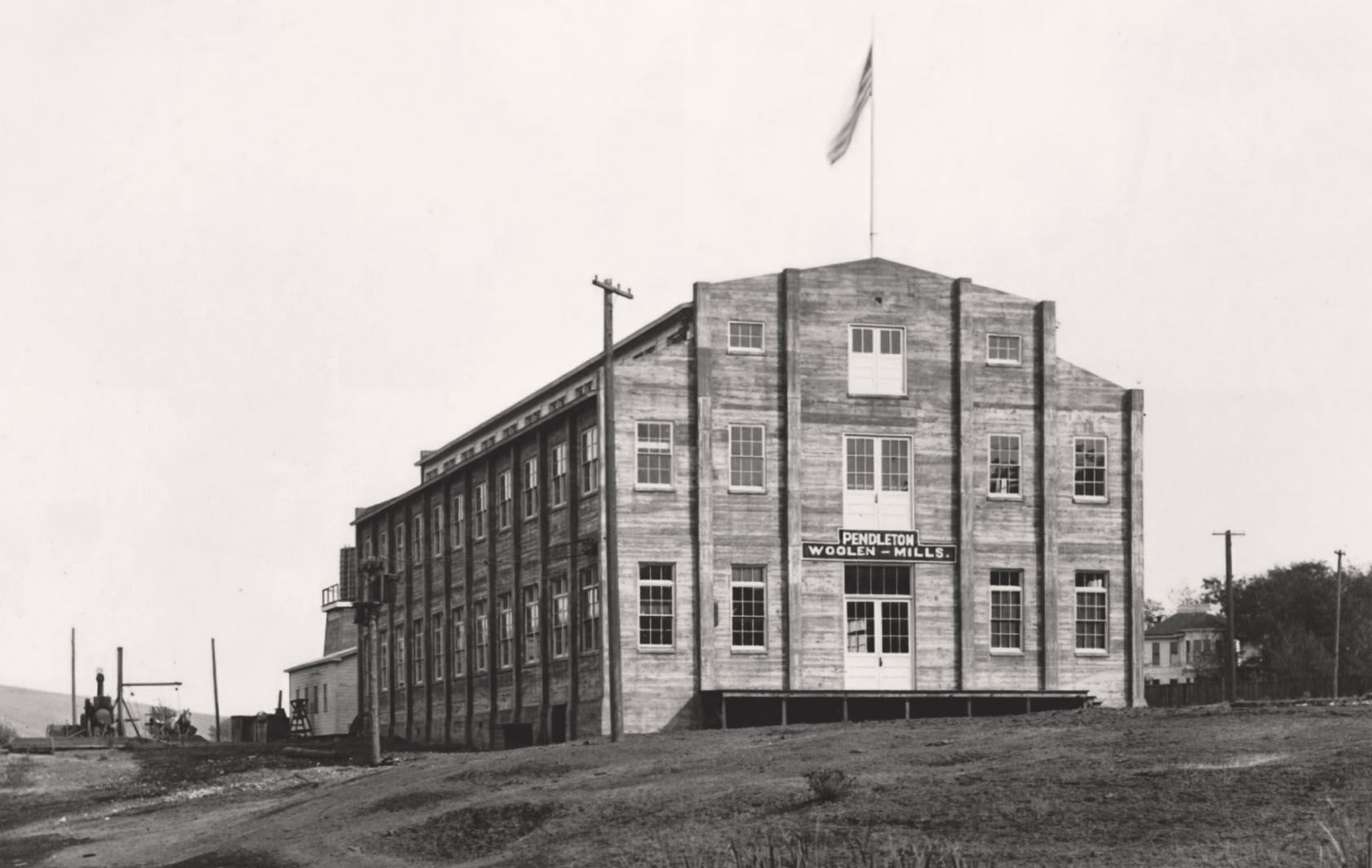
"Pendleton History"
Pendleton Woolen Mills has been making wool fabric in the American Northwest since 1863 — over 160 years of continuous operation. Understanding that history helps explain why Pendleton products feel different from everything else on the market, and why they've remained culturally relevant across multiple generations.
The Beginning: Oregon, 1863
The story starts in Salem, Oregon, where Thomas Kay established a wool mill to serve the growing population of the Pacific Northwest. The region had abundant sheep, access to clean water for processing, and a climate that made wool a practical necessity. Kay's mill was the foundation on which everything else was built.
In 1909, the Bishop family — who had purchased and expanded Kay's operation — opened a mill in Pendleton, Oregon. The town gave the brand its name, and the Pendleton mill became known for its trading blankets: wool blankets designed in partnership with Native American tribes of the Columbia Plateau and sold at trading posts across the region. These blankets remain in production today, nearly unchanged, and are among the most recognizable textiles in American design history.
The Shirt That Changed Everything
Pendleton's wool shirts were originally workwear — designed for loggers, ranchers, and outdoor laborers who needed warmth and durability in unpredictable conditions. The shirts were functional before they were fashionable.
That changed in the late 1940s and early 1950s, when California surfers discovered that Pendleton's wool shirts were perfect for beach conditions. They were warm enough for cool mornings, durable enough for rough handling, and looked good enough to wear off the beach. Surfers started wearing them unbuttoned over their trunks — and the board shirt was born.
The Beach Boys made it iconic. Their early albums featured the band in Pendleton shirts, cementing the association between the brand and California surf culture at a moment when that culture was becoming a global phenomenon.
Shop the archive-inspired styles that honor that history →
Chicano and Lowrider Culture
While surf culture was embracing Pendleton in the beach communities, something equally important was happening inland. Chicano communities in East Los Angeles and throughout the South Bay adopted the Pendleton board shirt as a cornerstone of lowrider style — paired with pressed khakis, a white undershirt, and clean leather shoes.
This wasn't a passing trend. It was a cultural identity. The Pendleton became a symbol of pride, community, and craftsmanship — values that aligned naturally with the lowrider tradition's emphasis on attention to detail and respect for heritage. That tradition is alive and well today, and McKenna's — located in Torrance and serving the South Bay since 1986 — has been part of it for nearly four decades.
American Milling, Then and Now
One of the things that makes Pendleton genuinely different from most apparel brands is that it still mills its fabric in the United States. The Pendleton mills in Oregon and Washington have operated continuously for over a century. The looms, the dyeing processes, the finishing — all done domestically, by workers who have often spent their entire careers with the company.
In an era where most apparel brands have moved production overseas in pursuit of lower costs, Pendleton's commitment to American manufacturing is both unusual and meaningful. It's part of why the quality has remained consistent across generations — and why a Pendleton shirt bought today performs the same way as one bought 30 years ago.
McKenna's and Pendleton: A 40-Year Partnership
McKenna's Pendleton opened in Torrance in 1986 — the same year the South Bay surf and lowrider scene was at its peak influence. We've been an official Pendleton affiliate ever since, carrying one of the largest selections of authentic Pendleton products of any independent retailer in the country.
We've watched styles come and go. The board shirt has never gone. Customers who bought their first Pendleton from us in the late 1980s are still coming in — sometimes with their kids or grandkids — looking for the same quality and the same expertise they found the first time.
That continuity is what McKenna's is built on. And it mirrors Pendleton's own story: a brand that has survived and thrived not by chasing trends, but by making something genuinely good and standing behind it.
