


Cart
0
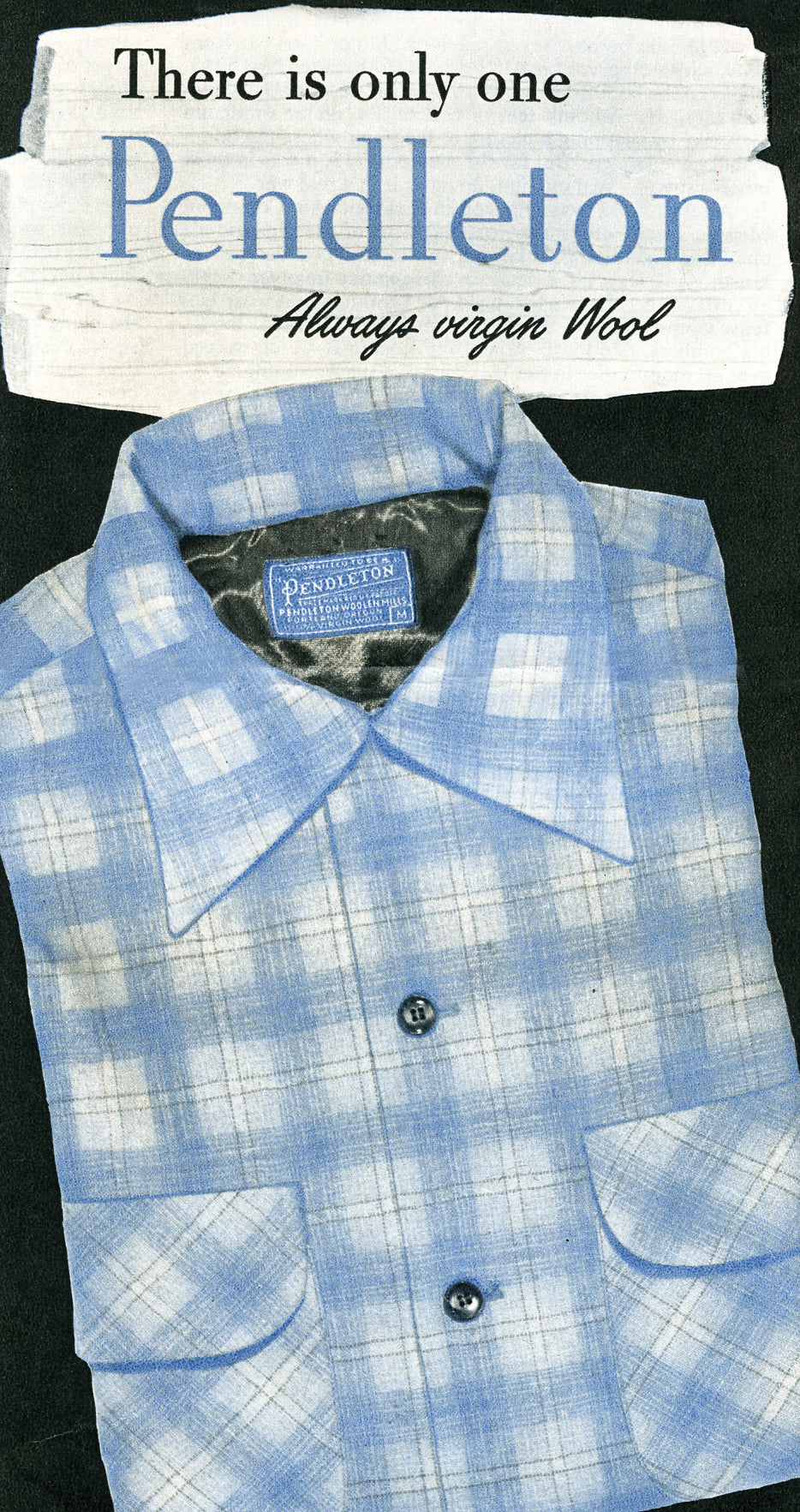
"Pendleton & Southern California Culture: From Surf to Street"
Few brands are as deeply woven into Southern California culture as Pendleton. But the relationship between Pendleton and SoCal isn't a simple story — it developed across multiple communities, multiple decades, and multiple cultural movements. Understanding it helps explain why the board shirt still means something today.
The Surf Connection
It started at the beach. In the late 1940s and early 1950s, the surfing community in Southern California was small, tight-knit, and practical. Surfers needed gear that worked — and for early morning sessions when the water was cold and the marine layer hadn't burned off, they needed something warm that could take the abuse of beach life.
Pendleton's wool shirts fit perfectly. They were designed for outdoor laborers in the Pacific Northwest — loggers and ranchers who needed warmth and durability in harsh conditions. Those same qualities made them ideal for surfers. Tough, warm, water-resistant enough to handle coastal moisture, and good-looking enough to wear to the diner afterward.
Surfers started wearing them open over their trunks on the way to and from the water. The shirts became associated with the lifestyle. By the late 1950s, "board shirt" was part of the surfing vocabulary.
Shop board shirts with that same heritage →
The Beach Boys and the Mainstream
The moment Pendleton crossed from surf subculture to mainstream American consciousness came in the early 1960s, largely through music. The Beach Boys — photographed and filmed repeatedly in Pendleton shirts during their early career — made the board shirt synonymous with California youth culture at the exact moment that culture was capturing the world's imagination.
Songs about surfing, cars, and California summers became the soundtrack to a generation, and the visual identity that accompanied them — including the Pendleton board shirt — became iconic. Suddenly, kids across America who had never seen the ocean wanted to dress like they belonged on the beach.
Chicano Culture and the Lowrider Tradition
While surf culture was building the board shirt's reputation in the beach communities, a parallel and equally important story was unfolding in the inland neighborhoods of Los Angeles and the South Bay.
Chicano communities adopted the Pendleton board shirt as a fundamental piece of lowrider style. Worn buttoned up over a crisp white tee, paired with pressed khakis and leather shoes, the Pendleton became a symbol of pride and identity — a way of dressing that communicated craftsmanship, community, and cultural heritage.
The lowrider tradition is built on the idea that care and attention to detail are expressions of dignity. The cars are immaculate. The clothes are deliberate. The Pendleton board shirt — made well, built to last, not a throwaway piece — fit naturally into that ethos.
This connection runs deep in the South Bay, where McKenna's has been located since 1986. A significant part of our customer base comes from this tradition, and we take that trust seriously. We know which styles and colorways resonate, and we carry them because they matter to the community we serve.
Explore styles rooted in that heritage — shop our archive-inspired collection →
Skate Culture and the Next Generation
In the 1980s and 1990s, a third SoCal subculture discovered Pendleton: skaters. The board shirt's relaxed fit, its durability, and its West Coast credibility made it a natural fit for a community that valued authenticity and practicality. Skate culture has always borrowed from surf and Chicano aesthetics — and the Pendleton sat at the intersection of both.
Brands and designers started referencing the board shirt in collections throughout the 1990s and 2000s, acknowledging its place in the visual language of California street style. But the original always retained its authority. You can't replicate 70 years of cultural history with a knockoff.
Why It Still Matters
What makes the Pendleton board shirt remarkable isn't that it was adopted by multiple subcultures — it's that it was adopted authentically by each of them, for real reasons, and held that relevance across decades. It wasn't pushed by marketing. It was pulled in by communities that recognized genuine quality and found meaning in what the garment represented.
At McKenna's, we've watched that process across four decades. Customers come in with different backgrounds, different reasons for loving Pendleton, and different ideas about how to wear it. The board shirt accommodates all of them — and has since the 1950s.
That's not an accident. It's what happens when something is made right.

